Trees are an essential part of a sustainable environment. They provide shade, improve air quality, support wildlife, and contribute to the natural beauty of residential and commercial properties. They also help regulate temperatures, reduce soil erosion, and improve the overall quality of outdoor spaces. However, maintaining healthy trees requires consistent attention and appropriate maintenance techniques. From protecting young trees to preserving mature specimens, every stage of tree development requires a thoughtful approach. Understanding effective tree care methods can help property owners maintain attractive landscapes and protect their natural resources.
1. Understanding the Importance of Tree Health Inspections
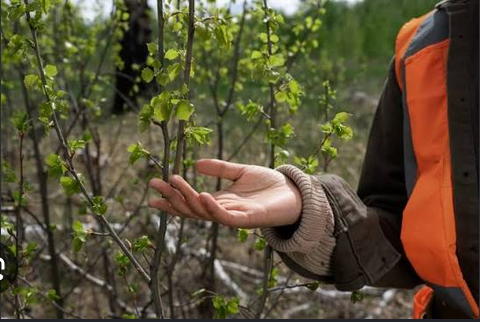
Regular tree inspections help property owners identify potential problems before they become serious.
Changes in foliage colour, unusual leaf loss, dead branches, bark injuries, and visible fungal growth may indicate that a tree requires attention.
Inspections should consider the tree’s overall appearance and surrounding environment.
For large trees near buildings, roads, or public areas, professional assessments can provide a more detailed understanding of structural condition and potential risks.
2. Selecting the Right Trees for Landscape Design
Choosing suitable tree species is essential for successful landscape development.
The selection process should consider local climate, soil conditions, sunlight availability, water requirements, and available growing space.
Smaller ornamental trees may be suitable for residential gardens, while larger shade trees can improve spacious outdoor environments.
In warm regions such as Karachi, locally adapted species that tolerate heat and seasonal weather changes can be valuable choices.
3. Improving Tree Establishment After Planting
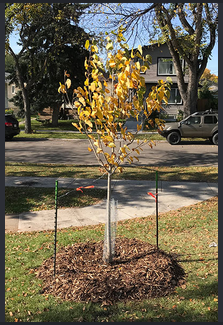
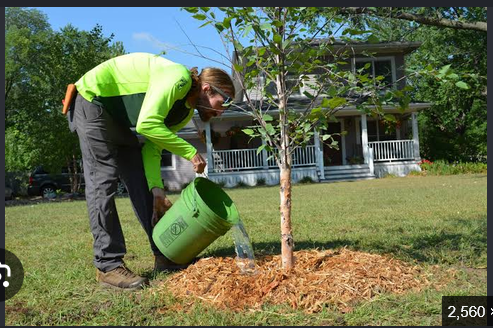
Newly planted trees require appropriate care while their roots become established.
Proper planting depth, suitable soil preparation, and adequate watering are important during this period.
The root flare should remain visible, and the soil should not be excessively compacted around the planting area.
Organic mulch can help conserve moisture and regulate soil temperature.
Regular monitoring allows property owners to identify establishment problems and respond before growth is seriously affected.
4. Maintaining Tree Health Through Proper Nutrient Management
Trees require essential nutrients to support healthy foliage, root development, and normal biological processes.
Nutrient availability depends on soil composition, moisture conditions, and the tree species.
Poor growth should not automatically be treated with fertiliser because drainage problems, root damage, and diseases may produce similar symptoms.
Soil testing can help determine whether additional nutrients are necessary.
Responsible nutrient management supports tree health while reducing unnecessary chemical applications.
5. Protecting Trees from Excessive Sunlight and Heat
Although sunlight is essential for photosynthesis, extreme temperatures can create environmental stress.
Young trees may be particularly vulnerable when growing in exposed locations with limited soil moisture.
Selecting heat-adapted species, maintaining appropriate irrigation, and applying suitable mulch can help reduce heat-related stress.
Property owners should also avoid disturbing root systems during prolonged hot weather.
6. Understanding the Importance of Tree Branch Structure
A tree’s branch structure influences its appearance, strength, and development.
Branches with weak attachments, deadwood, or significant damage may require professional evaluation.
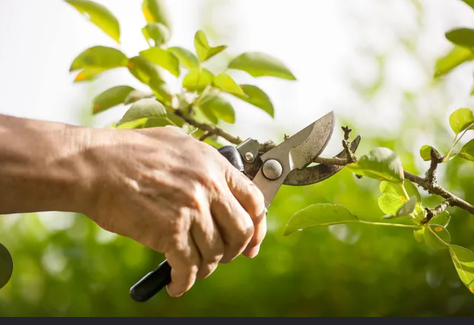
Selective pruning can help address specific structural concerns while maintaining the natural shape of the tree.
Improper cutting and excessive crown reduction should be avoided because they may create additional problems.
7. Creating Better Growing Conditions in Urban Landscapes
Urban trees often grow in restricted environments surrounded by buildings, roads, and paved surfaces.
These conditions can limit root expansion and increase exposure to heat and pollution.
Providing adequate planting space, suitable soil, and permeable ground surfaces can improve tree-growing conditions.
Urban landscape planners should also consider the mature size of trees when selecting planting locations.
8. Supporting Wildlife Through Responsible Tree Maintenance
Trees provide important habitats for birds, butterflies, insects, and other wildlife.
Different species offer food, shelter, and nesting opportunities throughout the year.
Planting a variety of native and locally suitable trees can increase biodiversity and create more balanced ecosystems.
Maintenance activities should also consider wildlife habitats and avoid unnecessary disturbance.
9. Preparing a Tree Care Budget for Property Owners
Tree maintenance is an important part of responsible property management.
A practical budget may include:
- Routine tree inspections.
- Irrigation and water management.
- Organic mulch and soil improvement.
- Professional pruning.
- Pest and disease assessments.
- Storm damage inspections.
- Tree replacement and new planting.
The required investment depends on tree size, species, condition, and property requirements.
Planning maintenance expenses in advance can prevent unnecessary delays and support better landscape management.
10. Promoting Long-Term Environmental Responsibility
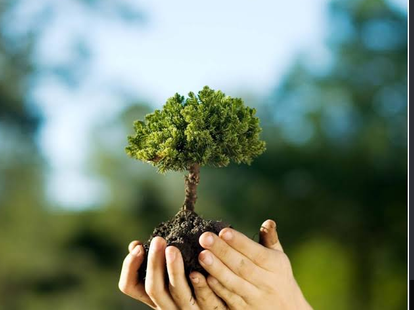
Tree preservation should be viewed as a long-term environmental commitment.
Homeowners, businesses, and communities can contribute by protecting established trees, selecting suitable species, conserving water, and maintaining green spaces.
Environmental awareness programmes can also encourage responsible planting and improve understanding of tree health.
Successful tree planting should always include a plan for ongoing care.
Conclusion
Maintaining healthy trees requires proper planning, regular inspections, responsible pruning, and attention to environmental conditions. Suitable species selection, soil improvement, root protection, and water conservation all contribute to successful tree development. Property owners should also consider biodiversity and the long-term needs of their landscapes when making maintenance decisions. By adopting sustainable tree care practices and seeking professional arboricultural advice when necessary, communities can protect valuable greenery, improve outdoor spaces, and create healthier environments for future generations.